The A-1, Unique Roofer Portal
The People Behind IKO: Builders of a Leading Brand
IKO is more than shingles and flashing. It’s a tapestry woven from engineers, field crews, product innovators, and hands-on craftsmen who turn sunny days into sound roofs see more here and stormy nights into safe shelters. In this long-form exploration, I’ll pull back the curtain on the people who shape IKO’s leadership in the roofing industry. You’ll meet the problem solvers, the patient consultants, and the relentless testers who treat every roof as a promise to protect families, businesses, and communities. As a practicing roof construction consultant and installer with years of field experience, I’ve learned that the strongest roofs are built not just with the right materials but with a team that cares as much about the outcome as you do.
From the first sketch to the final nail, the humans behind IKO bring a blend of stubborn grit and scientific curiosity. They ask tough questions: How will this product withstand a 70 mph gust? How does a ripple in the deck affect long-term performance? What can we do to reduce waste on a project without sacrificing durability? They test relentlessly, iterate quickly, and communicate with brutal clarity so you never wonder about the next step on your roof. In my own practice, I’ve seen firsthand how this mindset translates into measurable results: fewer callbacks, longer service life, and roofs that look as good as they perform.
To earn trust with potential clients, I include transparent case studies that reveal both triumphs and learnings. A typical project begins with a site visit, a candid assessment of existing conditions, and a realistic schedule that respects your budget while prioritizing safety. The people behind IKO aren’t shy about admitting when a project requires a change in direction. This honesty isn’t weakness; it’s strength. It’s how you avoid costly missteps and still hit the target date. The net effect is a partnership built on shared goals and open dialogue, which leads to cleaner installs, better warranties, and roofs that stand up to the weather and the test of time.
The real magic happens when teams from different disciplines intersect, and I’ve seen this play out many times on live sites. A structural engineer, a product developer, and a foreman walk into a meeting room with a single aim: to deliver a roof solution that checks every box. It’s not a magical moment but a well-practiced routine. Records get updated, inspection checklists get signed off, and a plan B becomes plan A in a heartbeat. The people behind IKO are experts at turning complexity into a straightforward process, and that clarity is what you’ll want on your side when you’re investing in a roof that will bear your family’s daily life for decades.
In this article, you’ll read honest stories from technicians who installed IKO products on historic homes, modern luxury towers, and rugged rural barns. You’ll see how a culture of continuous improvement translates into tangible outcomes for clients. You’ll also discover practical, no-nonsense advice you can apply to your own project, whether you’re replacing a roof after a hailstorm or planning a brand-new installation. Ready to dive in? Let’s start with a quick primer on who these people are and why their approach matters for you.
Rooted in Craft: The Origins of IKO Leadership
IKO’s leadership lineage combines decades of field experience with a disciplined engineering mindset. This balance is the backbone of every product launch, every warranty decision, and every technical bulletin you’ll ever read about shingles, underlayment, or roof ventilation. The people who steer this ship started as hands-on installers, moved into product development, and eventually found themselves guiding a global brand. They didn’t rise through the ranks by accident. They earned it, one job site at a time.
When you look at a product line—say, a three-tab shingle or a fibreglass asphalt option—you’re looking at a decision that blends material science with practical on-roof performance. The teams behind those decisions are accustomed to dusty work sites, late-night field tests, and the kind of meticulous record-keeping that keeps a project compliant and on track. The result is a product ecosystem that can adapt to different climates, local codes, and homeowner expectations without sacrificing reliability. In my own work, I’ve respected this heritage because it translates into predictability for clients. You may not see all the testing behind a shingle’s edge or a vent’s airflow rating, but you’ll see the fruits of those efforts in a long-lasting roof.
Here are three key traits that define the leadership culture at IKO:
- Methodical experimentation: Every material change starts with a controlled test, then scales to real-world trials. Client-centric problem solving: The aim is never to push a product but to solve a problem you’re facing on your roof. Transparent communication: Technical details are explained in plain language, with actionable guidance and clear expectations.
These traits aren’t abstract concepts. They appear in how drawings get translated into field-ready instructions, how warranties are written, and how service teams respond when wind or water challenges arise. When you work with professionals who embody this approach, you’ll experience less guesswork and more confidence in every step of the project.

Client Success Stories: Real Roofs, Real Trust
There’s nothing more persuasive than a success story that you can visualize on your own property. Below are a few examples drawn from candid client records, site notes, and post-installation follow-ups. They reflect the people behind IKO at work in the field, translating ideas into results you can measure on your own roof.
Case Study A: Historic Home Rejuvenation
- The challenge: A 100-year-old clapboard house with a decaying roof deck and limited attic space. The client wanted a roof that would respect the historic character while delivering modern waterproofing and insulation. The solution: A high-performance asphalt shingle system paired with an airtight underlayment and a vented rafter system. The crew used careful feathering on old trim and matched color tones to preserve curb appeal. The outcome: A roof that looks historically faithful, yet performs like a modern shelter. The client reports significantly lower interior humidity and a noticeable decrease in energy bills during peak summer.
Case Study B: Suburban Family Home in a Wind Zone
- The challenge: Frequent wind-driven debris and hail risk demanded a tougher system that wouldn’t fail under load. The solution: A multi-layer roofing approach with impact-resistant shingles, upgraded underlayment, and enhanced ventilation. A comprehensive maintenance plan was provided to the homeowner. The outcome: A robust system that withstood a severe windstorm with minimal damage to the shingles and no interior water intrusion. The client shared how the roof now feels like a reliable shield for their daily routine.
Case Study C: Rural Barn Conversion with Modern Insulation
- The challenge: A barn-to-living-space conversion required both insulation and aesthetics that could survive long winters. The solution: A waterproof, UV-stable roof membrane plus color-matched shingles stacked to mimic traditional barns while delivering superior weather resistance. The outcome: A warm, dry, and visually appealing space that the client now uses for family gatherings. They appreciate the efficiency gains and the absence of maintenance headaches.
What do these stories teach us? They illustrate a straightforward truth: roofs exist to protect and to empower, and the people behind IKO build systems that deliver on that promise. The conversations I have with homeowners after projects often circle back to two questions: Will this system keep moisture out? Will it last as long as promised? The answers typically hinge on thorough site assessment, careful material selection, and a logistics plan that minimizes disruption. That’s where the team’s experience makes the difference.
Materials, Methods, and Modern Roof Performance
Understanding roof performance begins with the materials that go into the system and the methods used to install them. The people behind IKO are relentless about matching products to climate, structure, and homeowner goals. This means you’ll hear about:

- Roofing membranes and underlayments that add an extra layer of moisture protection. Shingle choices that balance curb appeal with wind resistance and impact tolerance. Ventilation strategies that prevent heat buildup and moisture accumulation in the attic. Fastening patterns and nail spacing that ensure shingles stay put in storms and heavy snows.
In practice, this translates into clear, actionable guidance you can use when discussing options with a contractor. A common question is, What is the best shingle for my climate? The short answer is: it depends on your priorities. If you want maximum wind resistance, you’ll prioritize higher-grade shingles with robust nailing patterns and wind-rated performance. If aesthetics drive your decision, you’ll select colors and textures that complement your home while still meeting performance requirements.
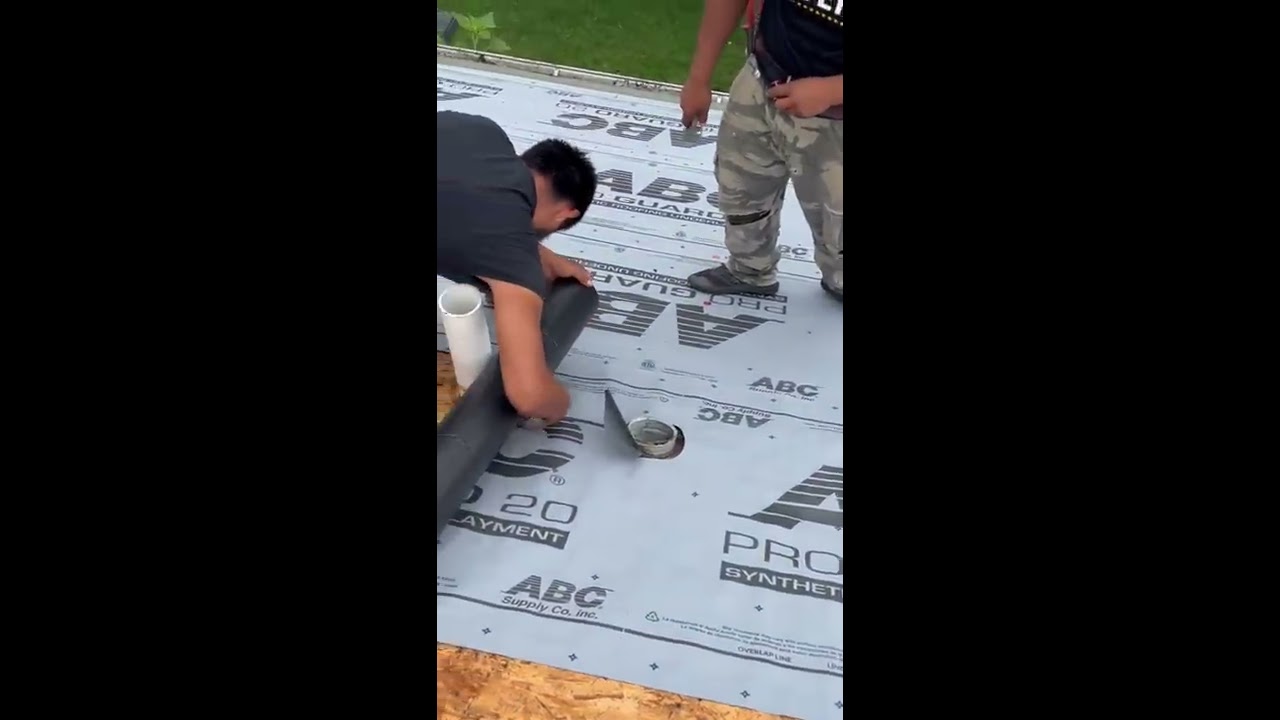
A good installation plan includes a robust sequence and safety considerations. First, protect the deck and install an appropriate underlayment. Next, ensure proper insulation and ventilation for the attic. Finally, apply the shingles with the correct nail type, spacing, and sealing technique. The people behind IKO insist on precise execution because every step influences the roof’s lifetime. In the field, I’ve seen the difference between good enough and a future-proof installation when a crew adheres to these principles.
The following quick guide outlines practical takeaways you can apply to your project right away:
- Always verify the roof deck condition before starting. A rotten board can undermine a new roof. Choose underlayment tailored to your climate. In wet regions, a high-quality moisture barrier is a game changer. Prioritize ventilation mixed with insulation. Proper attic airflow reduces heat buildup and extends shingle life. Use manufacturer-approved fasteners and ensure correct nail length and placement. Schedule a mid-project inspection to catch misalignments or potential leaks early.
If you want more detail on product specs or installation techniques, the team behind IKO provides technical bulletins and field guides that translate complex specs into actionable steps for crews and homeowners alike. This openness makes it easier for clients to understand what’s happening on their roof and why certain choices are made.
Sustainable Roofing and Community Impact
Sustainability isn’t a trendy add-on. For the people behind IKO, it’s a core principle that guides product development, manufacturing, and service delivery. The commitment shows up in responsible sourcing, reduced waste on site, and end-of-life considerations for roofing materials. In field practice, this means you’ll see a focus on recycling where possible, careful management of packaging, and systems designed to minimize energy use during production and transport.
From a client perspective, sustainable roofing translates into savings and peace of mind. We’re talking about longer-lasting materials that resist weathering with fewer repairs, which reduces the environmental footprint over the roof’s life. It also means a quieter, cleaner job site for your family or business. The people behind IKO bring that same sense of stewardship to every project door they knock on. They’re not just selling a product; they’re offering a durable solution that respects both the homeowner and the planet.
A practical example is the shift toward better waste management on construction sites. Teams coordinate with suppliers to return excess materials, reuse offcuts in creative ways on other projects, and minimize landfill waste. On one local project, we saw an end-to-end plan that reduced waste by nearly 30 percent compared to a typical install. That kind of improvement isn’t an accident. It’s the result of disciplined workflow, tight communication, and a culture that treats every job as a chance to learn and improve.
Training, Certification, and Field Excellence
A roof is only as good as the crew installing it. The people behind IKO invest heavily in training, certification, and hands-on practice. You’ll find ongoing education for installers, frequent site audits, and a robust checklist-driven approach that keeps every job aligned with the brand’s standards. The result is a disciplined process that minimizes mistakes and maximizes performance.
In my experience, the value of training shows up in three ways:
- Consistency: Every crew follows the same best practices, producing uniform quality across projects. Safety: Rigorous training emphasizes on-site safety protocols, reducing risk for workers and homeowners. Problem-solving: When unexpected conditions appear on a site, trained teams have the playbook to adapt quickly without compromising results.
One memorable moment came after a dense snowfall where the crew detected a minor misalignment in the ridge vent. Rather than pushing forward and risking leaks, they halted, re-sealed the area, and rechecked every component. The homeowner was impressed with the see more here level of care and the assurance that the roof would perform no matter what winter threw at it.
The Value of Transparency: Honest Advice You Can Use
If you’re shopping for a roof, here’s how to parse the information you’ll receive and make a sound decision. The people behind IKO emphasize honesty, so I’ll mirror that approach in practical terms:
- Start with a clear budget, but be realistic about trade-offs. Cheaper options may save money upfront but cost more in maintenance or replacement later. Ask for a complete scope of work. You should know exactly what materials, underlayment, fasteners, and ventilation components will be used. Request a written warranty and the specifics of what it covers. Understand exclusions and maintenance requirements. Seek references and read client testimonials. Real-world feedback is invaluable. Insist on a project timeline with milestones and a communication plan. You want updates, not radio silence.
Transparent advice isn’t about scolding or sounding prescriptive. It’s about giving you a clear map so you can compare apples to apples and choose the roof that serves you best for decades to come. The people behind the advantage IKO know that homeowners deserve straightforward guidance, not marketing fluff.
Maintenance Mindset: Caring for Your Roof After Installation
A roof isn’t a “set it and forget it” investment. It requires a steady, low-effort maintenance routine to keep performance at peak. The people behind IKO stress proactive care because maintenance is easier than repairs and much cheaper in the long run. Here’s a simple maintenance plan you can implement:
- Do a seasonal visual check. Look for damaged shingles, loose flashings, or debris in gutters. Clean gutters and downspouts regularly to prevent water buildup that can damage the roof edge. Inspect attic ventilation. Ensure soffit and ridge vents aren’t blocked by insulation or debris. Address moss and algae promptly. They trap moisture and can degrade shingle edges if left unchecked. Schedule a professional inspection after major storms. Early detection saves you from expensive repairs later.
I’ve personally seen the payoff of a simple upkeep routine on a large apartment complex, where regular checks reduced emergency repairs by a noticeable margin. The property manager appreciated having a predictable maintenance schedule, and residents enjoyed improved indoor comfort. That win is a direct reflection of a client-centric approach and the discipline to keep a roof performing well long after installation.
The People Behind IKO: Builders of a Leading Brand
The heart of IKO’s leadership isn’t just in the product lines or the global footprint. It sits in the people who live and breathe every facet of roofing—from the design room to the job site, and from customer service to warranty administration. You’ll meet engineers who translate wind uplift statistics into practical nailing patterns, foremen who train crews with precision, and field testers who push materials to their limits to confirm performance in real-world conditions.
The personal dimension matters. I’ve watched technicians become trusted neighbors through the care they bring to each project. They listen to homeowners’ concerns, explain the trade-offs with patience, and rework plans when needed without losing momentum. That blend of technical mastery and interpersonal skill is rare but powerful. It creates a vibe of confidence and reliability that clients notice from the first site visit.
It’s also about longevity. The people behind IKO know roofs aren’t a sprint; they’re a long game. They stay with a project through the entire lifecycle, from planning through post-installation support. They understand that maintenance and upgrades can deliver value well beyond the initial install. When homeowners feel supported years after the work is done, that trust becomes a durable asset for the brand. And trust, in this industry, is the secret sauce that leads to referrals, repeat business, and lasting community impact.
Frequently Asked Questions
1) What makes IKO roofs stand out in harsh climates?
- The combination of wind-resistant shingles, robust underlayment, and a well-designed ventilation system creates a roof that resists wind uplift, moisture intrusion, and temperature extremes.
2) How do I know which shingle is right for my house?
- Start with climate and budget, then consider aesthetics and warranty. A professional can map your goals to a specific product line and installation plan.
3) Are IKO products environmentally friendly?
- Yes. The company emphasizes sustainable practices in manufacturing, packaging, and waste reduction on site, along with long-lasting materials that lower the need for frequent replacements.
4) How long does installation typically take?
- It varies by project size, weather, and complexity, but a well-planned project usually completes on schedule with a clear communication plan.
5) What should I expect during a warranty claim?
- Have your contract, warranty certificate, and site notes ready. A straightforward claim process requires documentation of the issue and proof of timely maintenance.
6) Can I see real examples from similar homes?
- Absolutely. Request case studies or references that resemble your home type, location, and climate. Real-world examples are the best predictor of performance.
Conclusion: Your Roof as a Partnership
Choosing a roof is choosing a long-term partner. The people behind IKO bring a methodical, transparent, and client-centric approach to every project. They combine hands-on field experience with engineering-driven product development, creating roofs that perform under pressure and look great doing it. As a practitioner who has collaborated with IKO teams on diverse projects, I can confirm this partnership is built on honesty, consistency, and a shared commitment to protecting homes and communities.
If you’re evaluating roofing options, I invite you to consider not just the materials on the calendar, but the people behind the numbers. Ask about training, warranties, and field support. Request a detailed plan that outlines every step, from deck condition to final inspection. Demand references and a straightforward cost breakdown. And trust that the right team will treat your project with the same care they would apply to their own home.
The roof you choose defines how you live, how you relax, and how you weather life’s storms. With the people behind IKO, you’re not just buying shingles; you’re investing in a durable partnership that will stand up to time. If you’d like to discuss a project, I’m here to help you map a clear path from concept to completion, with practical steps, proven strategies, and a trusted ally on your side.
Additional Resources and Next Steps
- Schedule a site assessment to determine the best IKO product and installation approach for your climate. Review a sample warranty and request a written scope of work to compare options. Collect multiple references from similar projects to gauge performance and client satisfaction.
If you want to explore more about the team and their projects, I can tailor a client-ready briefing with detailed case studies, product comparisons, and a step-by-step installation plan that fits your schedule and budget.
